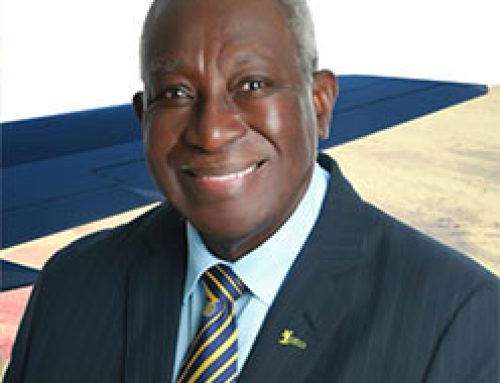
Ingrid Abrahams is a teacher/Headteacher/Executive Headteacher and is currently a Post Graduate Researcher at the University of Birmingham. She has taught in a variety of secondary schools in Birmingham and has walked the well-worn professional path to educational leadership, undertaking several distinct roles.
She was also an Ofsted inspector focussing on teaching and learning and curriculum. Her current research explores the life-experiences of black Afro-Caribbean senior leaders in schools in Britain following major changes in educational policy and practice over the last four decades. This paper argues that educational reforms like the National Curriculum, the testing regime and the growth of academies and trusts have resulted in a reduction in the number of teachers and leaders from the global majority.
The school workforce data of 2023 shows that, nationally, just 0.8% of Head teachers are from a black Afro-Caribbean background yet approximately 32% of students are from minority ethnic backgrounds. She argues that it is imperative that we have black representation in schools at senior level: the importance of developing effective global majority leaders for future generations of students cannot be underestimated.
Ingrid was always a confident person from the tender age of five, especially when her mother held her hand and walked her to school. That confidence stayed with her throughout her school years and educational journey, including grammar school and university, and to date. Her ambition is to change the statuary construct of schools to make the framework more inclusive and acceptance of black teachers, in particular at senior levels.
Conclusion
Ingrid is a shining example of a high achiever, especially in the academic world of learning. Her ambition to change statuary construct of schools to make the framework more inclusive and acceptance of black teachers, in particular at senior levels, is commendable.
Editor’s Note
The balance and representation of African and Caribbean educational institutions and establishments are clearly underrepresented, especially when you listen to Ingrid’s experiences. I believe that we have the right calibre and suitable candidates to provide a more favourable representation, so thanks to Ingrid and others like her for their sterling efforts and endeavour to make positive changes.