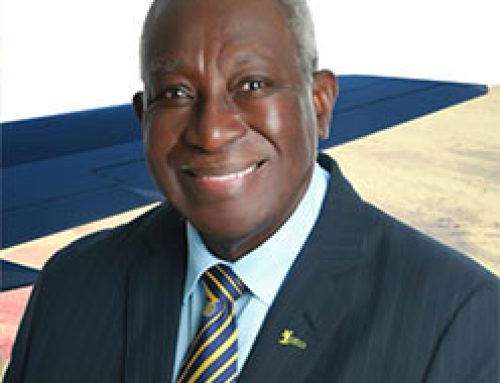
Charles Richard Drew (June 3, 1904 – April 1, 1950) was an American surgeon and medical researcher. He researched in the field of blood transfusions, developing improved techniques for blood storage, and applied his expert knowledge to developing large-scale blood banks early in World War II. This allowed medics to save thousands of Allied forces’ lives during the war. As the most prominent African American in the field, Drew protested against the practice of racial segregation in the donation of blood, as it lacked scientific foundation, and resigned his position with the American Red Cross, which maintained the policy until 1950.
Conclusion
Charles’s idea and invention for blood storage and large-scale blood banks was outstanding, and so much needed, especially in World War 11 in battle torn areas. However, the practice of racial segregation in the donation of blood was so outrageous, especially as the developer was black person.
Editor’s Note
It is so typical of people to take advantage of others because they are in a position to do so. Charles must have been applauded for resigning his position because of the segregation of donation, as it lacked scientific foundation, to the point that resigned his position with the American Red Cross.
Source: Clung Museum of Natural History & Culture